Table Of Content
And because the hair doesn’t grow back after treatment, you won’t have to worry about ingrown hairs. If you’re looking for a pain-free way to remove unwanted hair, hair removal cream could be your answer. So long as you take care to follow all instructions, patch test before use, and ensure your skin is in good nick before applying, you may find the product to be quite miraculous. Shaving – the quick and easy hair removal option, but there’s a chance of nicks, cuts, shaving rashes and ingrown hairs.

selectWhat skin care products to use and avoid when pregnant, according to doctors
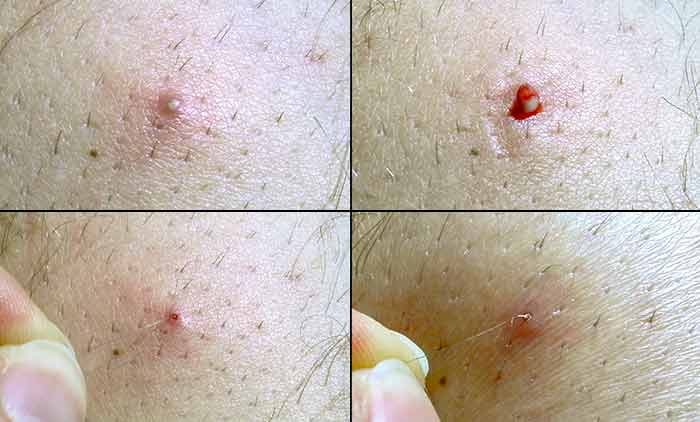
An ingrown hair looks like a raised, discolored spot on your skin. It’s a strand of hair that grows back into your skin after shaving, tweezing or waxing. Ingrown hairs can affect anyone, but they’re easy to treat and prevent with the right hair removal practices. Most ingrown hairs will subside fairly quickly if you leave them alone.
Choose the right razor
There are also a few products and treatments available to prevent these ingrown hairs. You can avoid this condition by not removing hair or not shaving very close to the skin. If that's not an option, you might try other hair removal methods that lessen the risk of developing ingrown hair. Experts recommend you stop shaving, tweezing, plucking, or waxing the area where you have ingrown hairs because they usually go away on their own in a couple of weeks.
Everything You Need to Know Removing Deep Ingrown Hairs, According to Derms
Most at-home hair removal devices on the market are ineffective on darker skin tones, but the Illuminage Touch is an FDA-cleared system, using both IPL and radio frequency energies, that claims otherwise. Looking at ease of application, how they felt and the result post-use, our tester spent one whole month trying each of the hair removal creams out – and these were their favourites. Waxing, plucking and threading hair can also lead to ingrown hairs. Ingrown hairs can also result from increased friction that occurs when clothes rub against recently waxed dry skin. It’s also very important to read the manufacturer’s recommendation about dosage and frequency of use. Treatments with less aggressive ingredients can be used multiple times a day, while others should only be used once per day and in some cases after a 12 to 24-hour waiting period after shaving.
Cetaphil Acne Relief Body Wash
After your salicylic acid dries, you can “dab a little bit of over-the-counter cortisone cream on the bump to settle down the inflammation and soothe any accompanying razor burn,” says Dr. Gohara. “Cortisone cream shrinks swollen skin by constricting blood vessels, so you’ll get some relief from pain and redness at once.” Apply a thin layer once a day until the bump heals. Use topical treatments on the affected area only, as they can cause dry skin and other side effects.
If it’s difficult to see the area, use extra lighting like an LED ring light and a magnifying mirror. This will allow you to grasp only the hair and avoid damaging your skin. "Ingrown hairs often occur after shaving, tweezing, or waxing, and can be found in any area where hair grows, such as the face, legs, armpits, and pubic area," Engelman says. "IPL devices don’t work on all skin tones," says Dr. Nazarian. An IPL device with an adequate cooling mechanism to reduce risk of burns is a must.
What are ingrown hairs?
Shaving and waxing creates sharper hairs that tend to get trapped in the skin. Keep reading to learn how to recognize an infected ingrown hair, as well as tips for treating and preventing them. An infected ingrown hair happens when a hair is blocked from leaving the skin or newly emerged hair curls back into the skin, and the follicle becomes infected. These simple practices are often enough to make the ingrown hairs go away on their own. When a hair grows to about 10 millimeters in length, it will usually release itself from the follicle. The site of the ingrown hair will form into a raised bump on the skin that may begin to look like a pimple.
Ingrown Hair Treatment
Ingrown Hair Treatment: Causes, Prevention, and More - Health.com
Ingrown Hair Treatment: Causes, Prevention, and More.
Posted: Tue, 24 Oct 2023 07:00:00 GMT [source]
Razors that do not glide smoothly can catch and pull hairs, and ingrown hairs can result. A razor that catches can also cause small nicks and cuts, which can become infected. The treatment contains lavender and willowherb which help soothe your skin and give the gel a very pleasant scent. This may not be the best option for people with sensitive skin types as it can cause some irritation, and it shouldn’t be used before prolonged exposure to direct sunlight without also applying some sunscreen.
Management and Treatment

There are things you can do to treat and prevent them and in most cases you will not need to a see a GP for treatment. Shaving is more likely to cause ingrown hairs, but they can also occur after waxing. Exfoliation also gently scrapes away the dead skin cells that accumulate on top of the skin. This layer of dead cells can trap new hairs inside the follicles, causing them to grow inward. In this article, we describe how to safely remove ingrown hair on the legs and prevent the issue from recurring. Mixing tea tree, coconut, and tamanu oils, the Fur Ingrown Concentrate can calm redness and is gentle enough on the skin that you can apply it anywhere on your body—especially on more sensitive areas.
They may recommend a more permanent hair removal method, like laser hair removal or electrolysis, she says. And if you develop a red bump and are unsure about its diagnosis, see a medical professional before attempting to treat or diagnose it at home. For those of you who choose to remove hair from various parts of your body, we don’t have to explain how annoying this process can be. From razor bumps to ingrown hairs, there are a whole host of issues that come with being clean-shaven, so you may want to rid your hair with something other than a razor. If you have an inflamed, itchy spot on your skin right after shaving, you might have an ingrown hair.
With that in mind, keep reading this article to find out which creams performed best during our testing. Our experts continually monitor the health and wellness space, and we update our articles when new information becomes available. Don’t dig for the hair, as this increases the risk of causing or spreading an infection. Any of these methods may irritate the skin and should be and discussed with a dermatologist before use.
It’s easy to use, with the added benefit of a soothing cream to help seal moisture back into the skin, and we were pretty impressed. However, we much prefer plastic spatulas over the wooden one that comes with this kit, so will be swapping it out for a replacement next time. Shaving cream adds moisture and reduces friction when the razor glides over the skin.
Trying to remove them can sometimes interfere with the healing process and cause them to last longer. Your health care provider might recommend laser-assisted hair removal, which removes hair at a deeper level than does shaving, waxing, tweezing or electrolysis. Possible side effects of this method are blistering, scarring and loss of skin color (dyspigmentation). In most cases, ingrown hairs usually heal themselves within one to two weeks with only minor irritation, as they eventually release from your skin as they grow longer. Infections can develop around the ingrown hair, causing pus formation, discoloration and pain, though. If you see signs of infection, you should visit your healthcare provider.



No comments:
Post a Comment